




Quick distinction between lift and rotary check valves
2026-06-14
In industrial pipelines, municipal water supply and wastewater systems, as well as heating, ventilation and chemical industry systems, check valves mainly prevent the backflow of media and ensure the safety of pipelines and equipment. The most common are lift and rotary check valves, which are often confused by specialists. Below are simple and clear practical instructions.
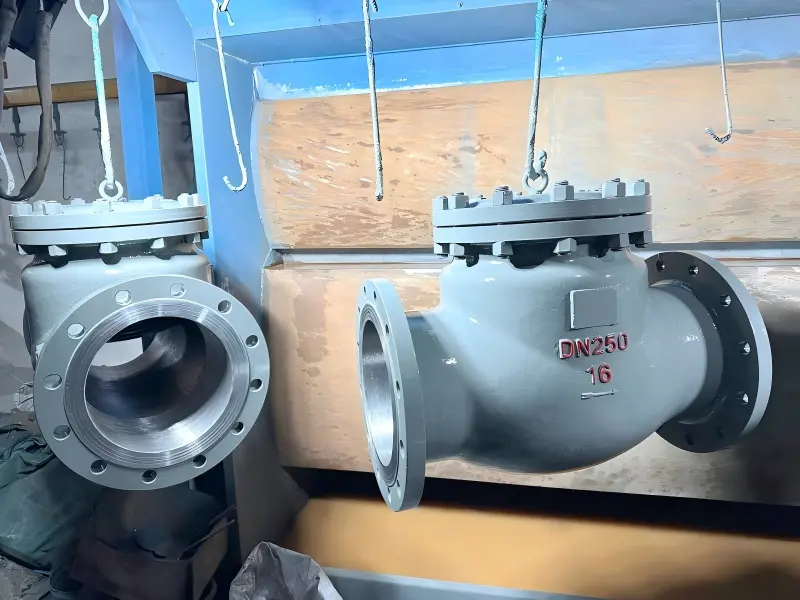
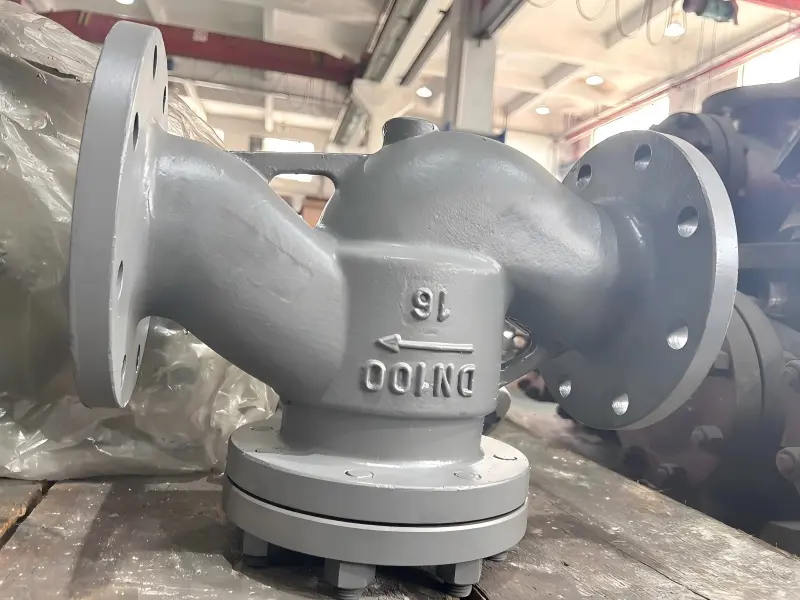
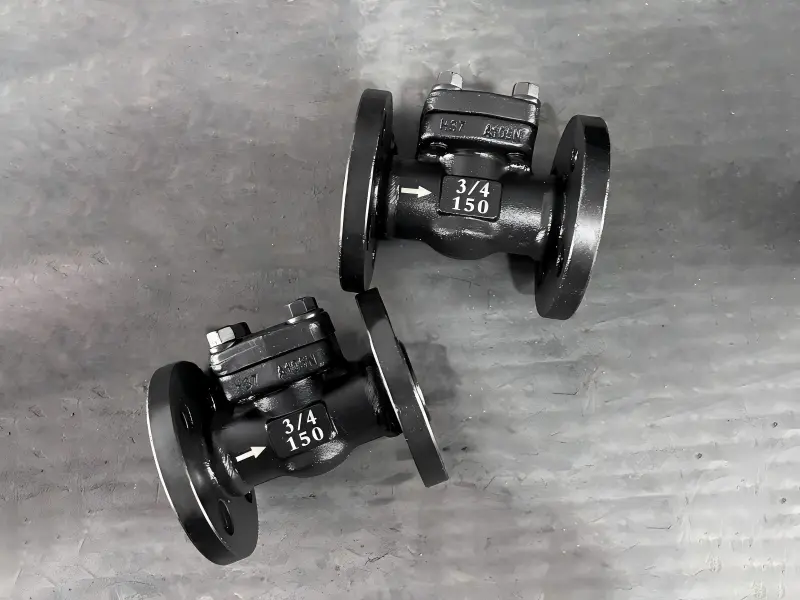
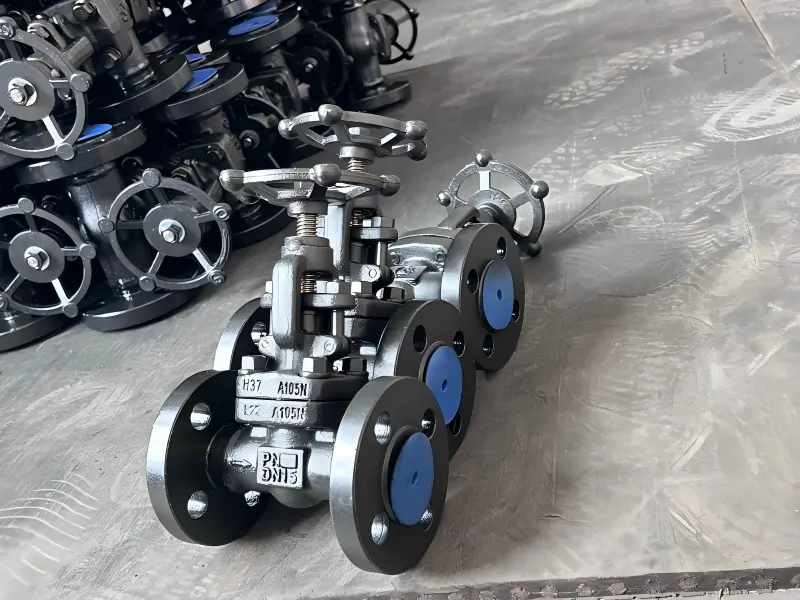
They are easy to distinguish by their design and method of opening and closing. The lift check valve disc moves vertically up and down under the influence of media pressure, like a piston. It has a compact design, tight sealing surfaces and excellent sealing properties. The swing check valve is equipped with a swing arm and axle, its disc rotates around the axis like a door, the internal passage is straight and smooth, the flow resistance is minimal.
There are clear differences in the installation method. Due to their design features, lift valves are installed only horizontally and do not function in vertical pipelines. Rotary valves are universal in installation, suitable for horizontal and vertical pipelines with upward flow, and have a wide range of applications during installation work.
They are designed for different working conditions. Lift check valves have high pressure resistance, suitable for small diameter pipes and high pressure environments, used in pump outlets, steam piping, water treatment systems and chemical precision piping. Rotary valves are produced in large diameters, have high throughput, and are widely used in municipal water supply, wastewater treatment, industrial water circulation systems and other medium and large diameter pipelines.
In operation, the lift valves close smoothly and create minimal water hammer and noise. Large diameter rotary valves may cause slight vibrations and water hammer when closing. It is enough to remember three main characteristics: opening-closing design, installation requirements and scope of application in order to accurately distinguish between these two types of valves and make the right choice.

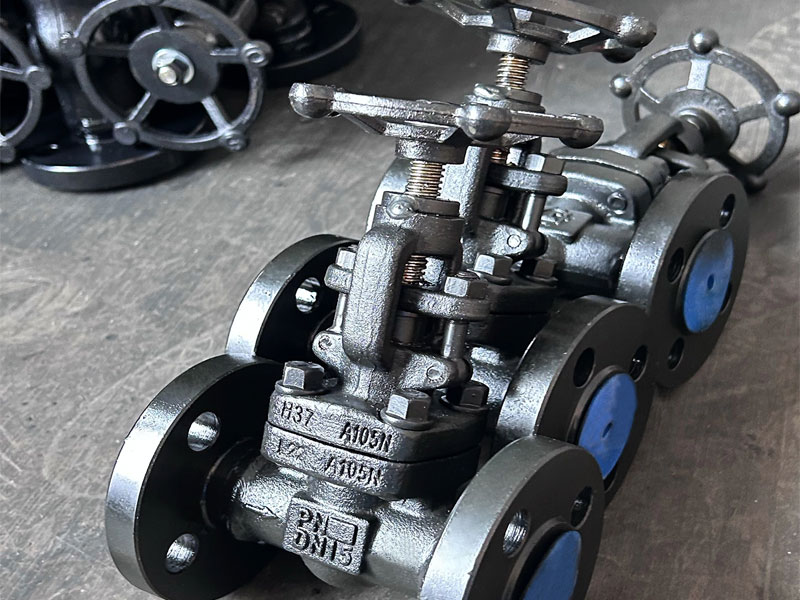

Our rule is high quality products、competitive price, timely delivery and most satisfactory services. We cordially look forward to our cooperation, and invite you to our factory to inspect our products and production!