




A Complete Breakdown of Check Valves: The Basics You Need to Know
2026-06-09
In various piping systems, check valves are an indispensable basic element, but they are often underestimated. Despite their simple design, their operating principle effectively prevents equipment damage and hazards due to backflow. Check valves are widely used in domestic, industrial and municipal areas. Today we will look in detail at the basic information about check valves.
A check valve is also called a non-return or one-way valve. Its main function is to pass the medium in only one direction and block reverse flow. It operates automatically due to the differential pressure of the medium, without manual or electrical control. With direct flow, the pressure opens the valve disc and the medium flows freely. When the medium attempts to move back, the pressure presses the plate tightly against the seat, blocking the passage and preventing reverse flow.
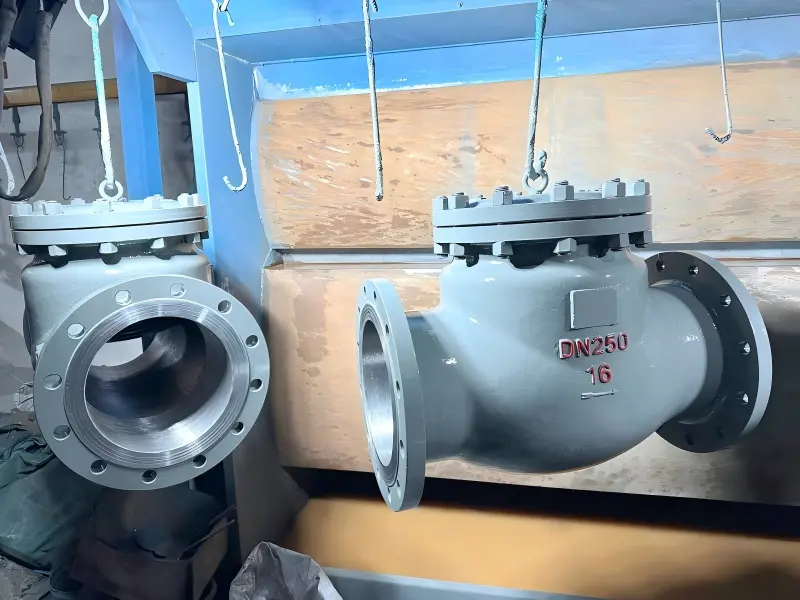
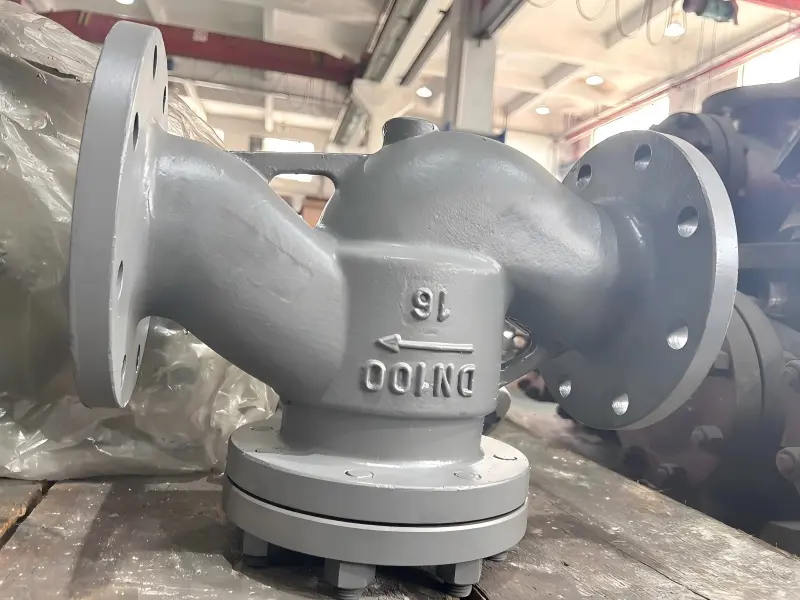
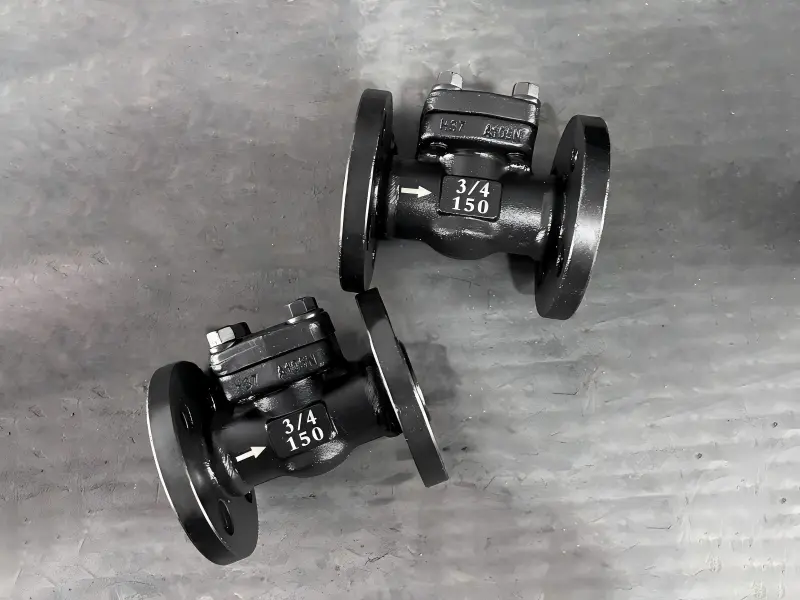
There are three main types of common check valves. Lift check valves are suitable for small diameter pipes, have good sealing properties, but have high hydraulic resistance. Swing check valves have low flow resistance, are suitable for a wide range of diameters and are mainly used in industrial piping. Disc check valves have a compact structure, quickly open and close, and are suitable for large diameter water supply and wastewater pipelines. The choice of the type of check valve is carried out taking into account the diameter of the pipeline, the type of working medium, operating pressure and other parameters.


Our rule is high quality products、competitive price, timely delivery and most satisfactory services. We cordially look forward to our cooperation, and invite you to our factory to inspect our products and production!