




Differences between forged steel valves and conventional valves
2026-06-24
1. Differences in production technology
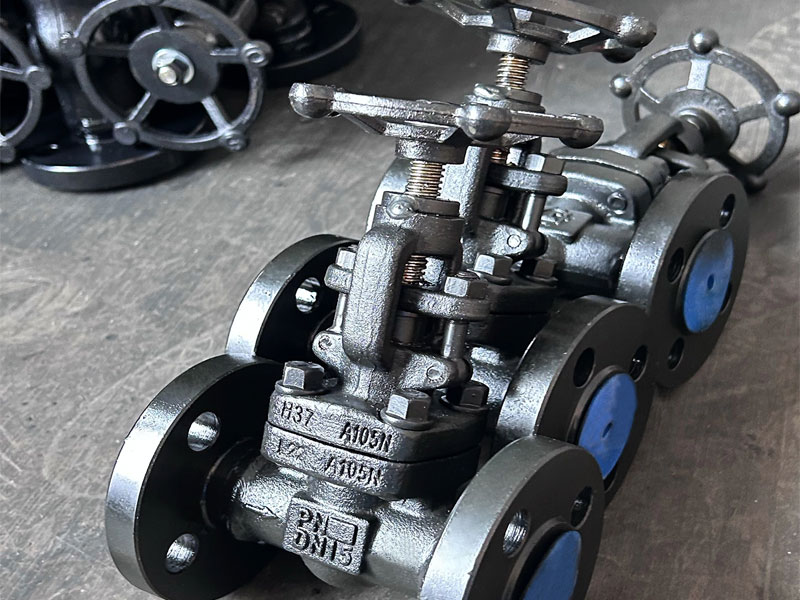
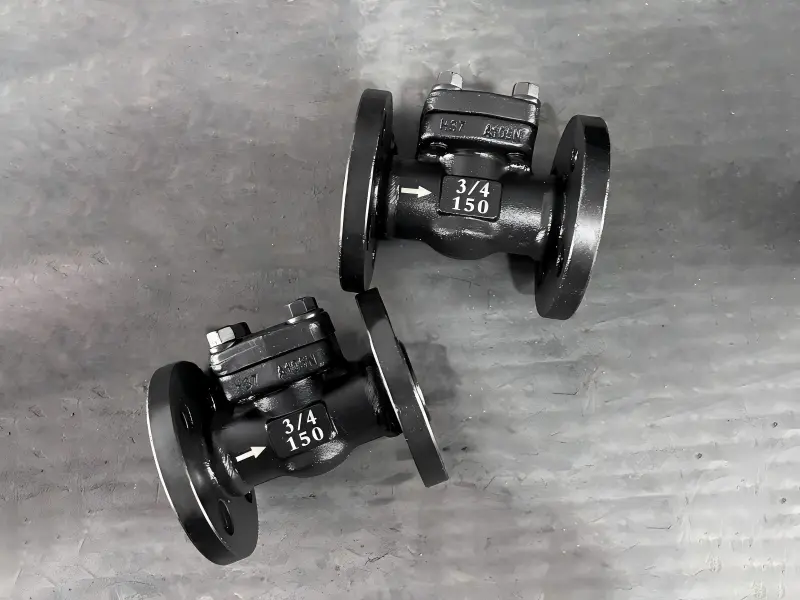
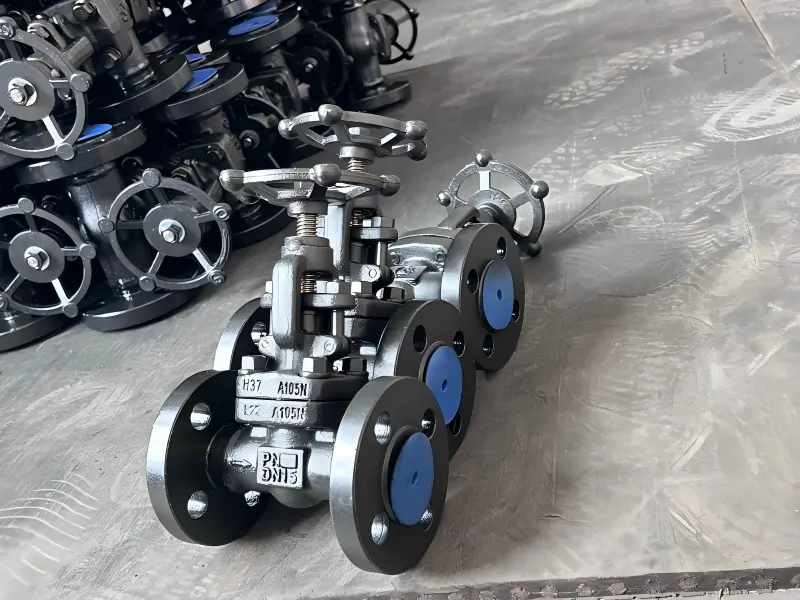
Forged steel valves are manufactured using a one-piece forging process at high temperatures. The valve body has a dense structure, there are no pores, cavities, looseness and other defects, the overall density of the material is high.
Conventional cast steel/cast iron valves are produced by casting. Pores, cracks and shrinkage cavities often form inside them; the material has a loose structure and low density.
2. Differences in material strength
Forged steel valves have high toughness and hardness, are resistant to impact, high pressure and high temperature, are not prone to cracking and deformation, and have a long service life.
Conventional valves are made of fragile materials and have limited resistance to pressure and temperature. At high pressure and temperature, they are easily damaged and cracked, and have low wear resistance.
3. Differences in resistance to pressure and temperature
Forged steel valves withstand high pressure and high temperature: carbon steel maintains its properties at temperatures up to 425 °C, stainless steel up to 525 °C. They are suitable for difficult and extreme operating conditions.
Conventional valves are only suitable for normal piping at normal temperature and low pressure. When exposed to high temperatures and pressures, they often cause leaks and damage.
4. Differences in tightness
Forged steel valves are precision manufactured with sealing surfaces that fit tightly together and are Class A sealed to ensure excellent sealing and virtually no leakage.
Conventional valves have poor machining accuracy, their sealing surfaces quickly wear out and deform, which over time leads to internal and external leaks.
5. Differences in application
Forged steel valves are used in highly loaded and hazardous pipelines: power plants, petrochemical industries, thermal steam systems, oil and gas transportation, and high pressure industrial pipelines.
Conventional valves are used for domestic water supply, general drainage systems, low-pressure civil pipelines and simple ventilation systems.
6. Differences in service life
Forged steel valves are resistant to wear and corrosion, do not fail during prolonged and frequent use, and require minimal maintenance.
Conventional valves are susceptible to corrosion and aging, and have a limited service life during opening and closing cycles. In the future, they often fail and require regular replacement.
7. Differences in economic feasibility
The initial cost of forged steel valves is higher, but due to their durability and lack of frequent replacements, the overall operating costs are lower in the long run. Conventional valves have a low purchase price, but often break down and require repair, so the total cost increases significantly over time.


Our rule is high quality products、competitive price, timely delivery and most satisfactory services. We cordially look forward to our cooperation, and invite you to our factory to inspect our products and production!